

What is osteoporosis?
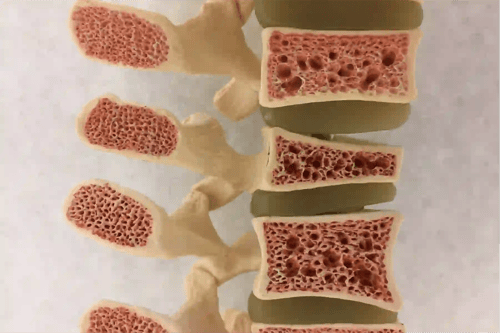
Osteoporosis is a condition in which the bones lose calcium and become porous and fragile, increasing the risk of bone fractures. Osteoporosis is equally prevalent in men and women.
Treatments can range from medication to surgery. Nonetheless, the best strategy to manage osteoporosis is prevention. Bone DEXA scan helps diagnose osteoporosis and changes in bone density over time.
What are the possible causes of osteoporosis?
The bone is a dynamic organ. Our body constantly forms new bone tissue, while old bone tissue is simultaneously broken down. As people reach 30 years of age and beyond, the formation of new bone tissue slows down, but the depletion of old bone tissue continues. As a result, more bone cells are being removed than formed, and this will lead to the gradual loss of bone mass.
Other than advancing age, the following are further risk factors that predispose a person to osteoporosis:
-
Alcoholism
- Smoking
- Sedentary lifestyle, or prolonged immobilization, such as after a stroke
- Poor diet with low calcium intake
- Drugs (mostly steroids, anti-convulsants, and chemotherapy)
- Certain endocrine diseases (e.g. thyrotoxicosis), cancer and inflammatory bowel disease
What are the symptoms of osteoporosis-related back pain?
Typically, osteoporosis is clinically 'silent' until a fracture occurs. Nonetheless, for osteoporosis at the spine area, the condition may initially manifest itself as severe back pain, a progressively stooped posture, or a loss of height.
Osteoporosis-related spine fracture
A compression fracture occurs when injury to a spinal bone causes it to fracture and collapse. A weakened vertebra may collapse because of a minor injury, or without an obvious injury, often because of osteoporosis. If an osteoporosis-led fracture of the spine fails to heal (nonunion), one of the consequences may be chronic back pain. Additionally, a severely deformed spine due to nonunion may further cause chest discomfort, abdominal distension, hip, and knee joint pain.
In the more severe spine fracture cases, some people may even develop neurological deficits, such as numbness in the legs, weakened control or dysfunction of bowel and bladder movements. There are also associated risks that these chronic conditions will affect the patient's emotional wellbeing and life expectancy.
Treatment for established osteoporosis
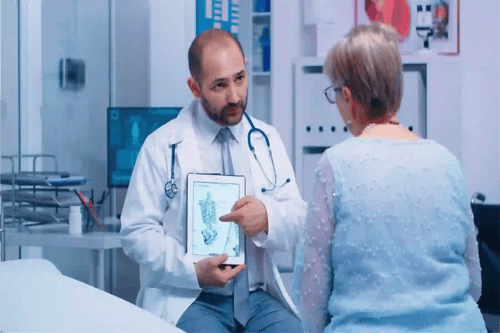
The medical treatment of established osteoporosis mainly aims to slow down the rate of bone loss. The doctor will recommend the most appropriate treatment regimen depending on the severity of the patient's conditions which may include medications containing calcium, vitamin D and biphophonates. Lifestyle modification is important along with these treatments.
Surgical and non-surgical treatment of osteoporosis compression fracture
There are different ways to manage a spinal fracture. Non-surgical treatments may include bed rest until the pain subsides, wearing back supports such as a brace (soft or hard), treating the pain with oral analgesics, and physiotherapy.
Medical treatment for osteoporosis should start. As yet, there is no permanent cure for osteoporosis, but there are a host of USFDA-approved drug treatments available to doctors.
One method is to use antiresorptive drugs. These types of drugs will inhibit cells that break down bones and slow bone loss. Another option is to use anabolic, or bone-forming, drugs. The doctor will prescribe the most appropriate treatment based on the specific needs and conditions of the patient and advise on side effects.
Surgical Treatment
The methods mentioned above are for uncomplicated osteoporosis-led compression fractures. Surgical treatment may be required for patients who failed to respond to non-surgical treatments.
Vertebroplasty
On occasions where the patient continues to suffer from severe or persistent back pain after the fracture, the doctor may recommend a vertebroplasty surgery. Vertebroplasty is a minimally invasive and effective way to relieve the back pain quickly. The procedure can be done under local or general anesthesia. The doctor will inject bone cement, a cement-like material and a commonly used substance for joint replacement, into the fracture site and fix the fracture in situ. The risks of this type of surgery are very low, and are listed on the next page.
Kyphoplasty
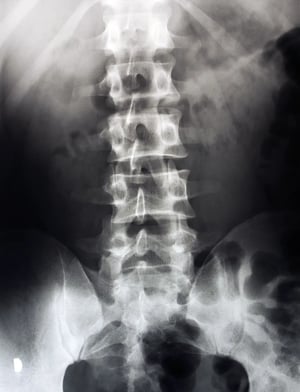
Kyphoplasty is another minimally invasive surgery that can be used to restore the vertebrae to a more normal shape. With this procedure, an inflatable balloon device is first inserted into the fractured vertebrae. This is then followed with a bone cement injection. This procedure has an advantage that the doctor can correct the deformity of the vertebrae before fixing the fracture.
In a complicated case such as significant deformity and/or neurological deficit, a wider incision or open procedure may be advised.
Benefits and risks for both Vertebroplasty and Kyphoplasty
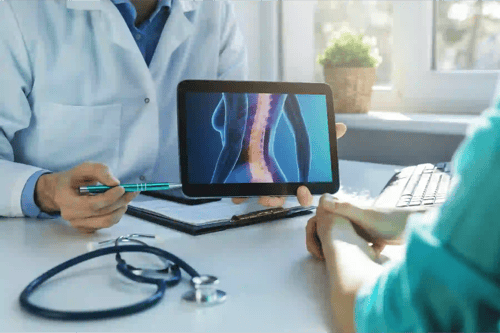
For treating compression fractures involving a single vertebral level, both the vertebroplasty or kyphoplasty procedures can be finished within an hour. The patient will have one to two needle hole(s) on the back for injecting the cement into the spinal fracture site. No surgical incision is needed - only a small nick in the skin that does not have to be stitched closed. The wound pain is usually very minimal. The fracture will be stabilised immediately after the procedure and can provide instant relief of pain. Most of the time, the patient can begin to walk one to two hours after the surgery, and there is no limitation of movement or require external support to the spine after the surgery.
Benefits
Both the vertebroplasty and kyphoplasty surgery are generally safe and effective procedures that will increase a patient's functional abilities, and enable the patient to resume previous levels of activity without the need for physical therapy or rehabilitation. Both procedures will, within hours, prevent further vertebral collapse.
In general, these procedures are highly successful at alleviating the pain caused by a vertebral compression fracture. In fact, many patients report significant relief almost immediately, and become symptom-free. Furthermore, patients who had been immobile can get out of bed after the surgery, reducing the risk of pneumonia.
Following vertebroplasty, about 75 percent of patients regain lost mobility and can become more active. This in turn and in time, will build up muscle strength, further encourage mobility, and helps combat osteoporosis.
Risks
For these two particular procedures, it may be possible for a small amount of the bone cement to leak out of the vertebral body. But usually this will not cause a serious problem, unless the leakage moves into a potentially dangerous location such as the spinal canal.
Other possible complications include infection, bleeding, increased back pain and neurological symptoms such as numbness or tingling. Paralysis is extremely rare.
Prevention
The best way of managing osteoporosis-related back pain is prevention.
This includes engaging in an active lifestyle and having regular exercise. Weight-bearing exercises based on a person's physical condition, such as walking up stairs and weight lifting, can also help build calcium reserve in bones.
Additionally, eating a well-balanced diet can ensure an adequate intake of calcium and Vitamin D. Vitamin D can also be absorbed through exposure to the sun. Calcium-enriched low fat milk/cheese, fish with bones (e.g. sardines) and dark green leafy vegetables, are all good choices.
It is highly advisable to quit smoking, and reduce, or even avoid, alcohol intake.
Preventive measures should preferably begin in childhood and adolescence when bone cells are being formed.
Health care tips for people with osteoporosis
For people diagnosed with osteoporosis, there are a number of ways to manage the condition and prevent further deterioration. These include:
-
Maintain a proper posture when sitting, walking or lifting heavy objects so as to reduce stress to the spine.
- Exercise regularly to improve agility and balance, which can reduce the risk of falls.
- Take care to prevent accidental tripping when walking.
- Follow the doctor's advice on drug treatments, exercise prescription and physiotherapy, and appropriate treatment if necessary.
People who have developed risk factors that may lead to osteoporosis should consult a doctor for an accurate assessment.
The information provided in this article is for reference only and does not replace professional medical advice. Matilda International Hospital and Matilda Medical Centre shall not be held responsible for any decisions made based on this information.